More than 156 tonnes of drugs were seized and
over 490 people arrested in an international operation that dismantled dozens
of criminal networks moving cocaine and other illicit goods across the
Atlantic. Operation ATLAS NEXUS was co-led by Frontex. It is the largest joint
operation against organised crime carried out to date between Europe, Latin
America and the Caribbean.
The operation targeted five priority criminal
markets: drug trafficking, trafficking in human beings, document fraud,
firearms trafficking, and environmental crime. Authorities from 34 countries
took part, together with more than 8 680 police and judicial officers.
- more than 490 arrests
-
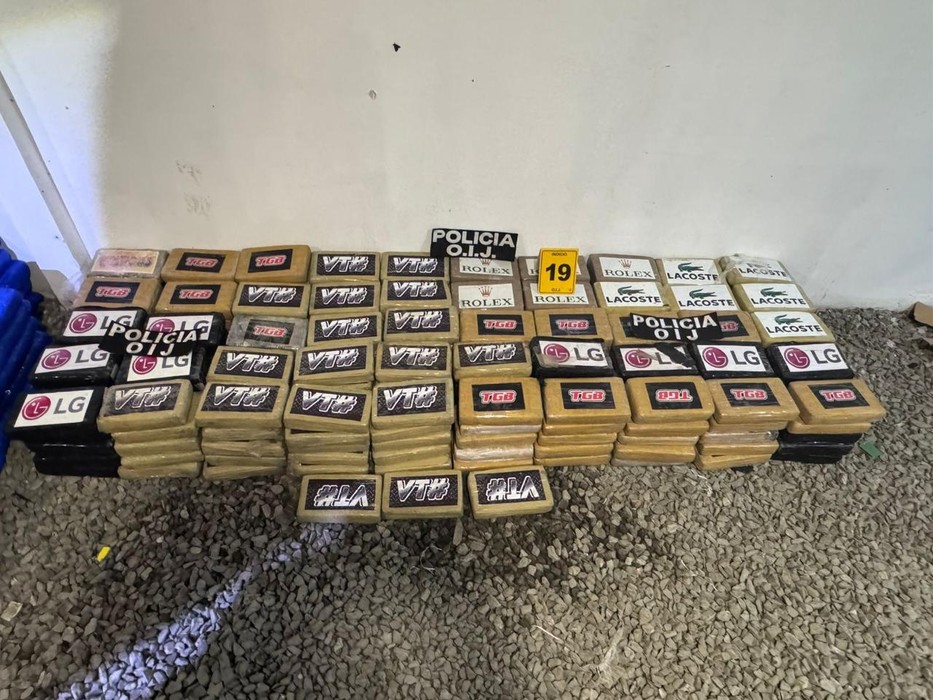
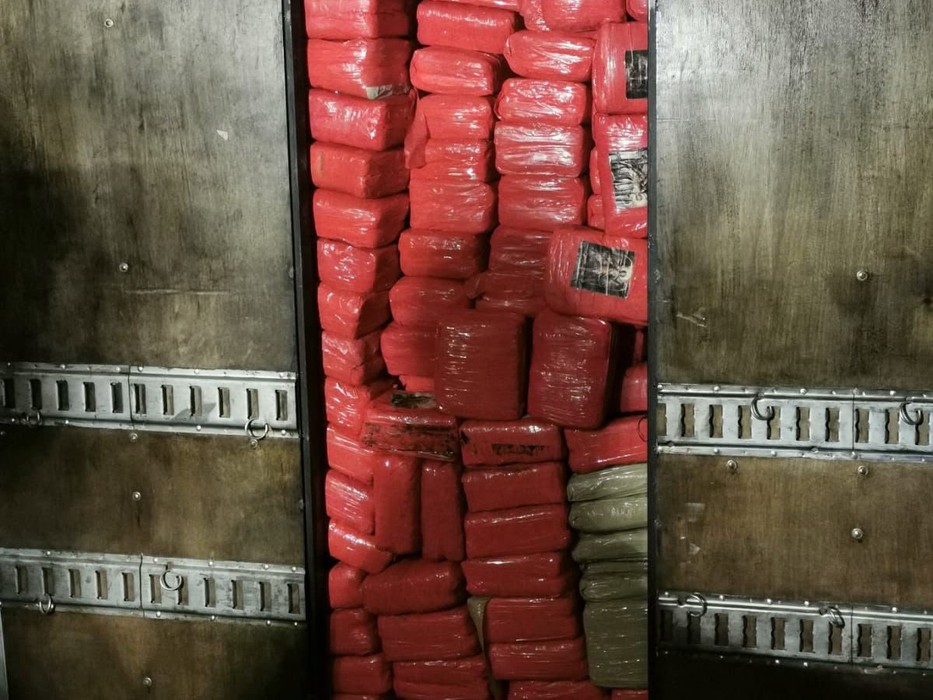
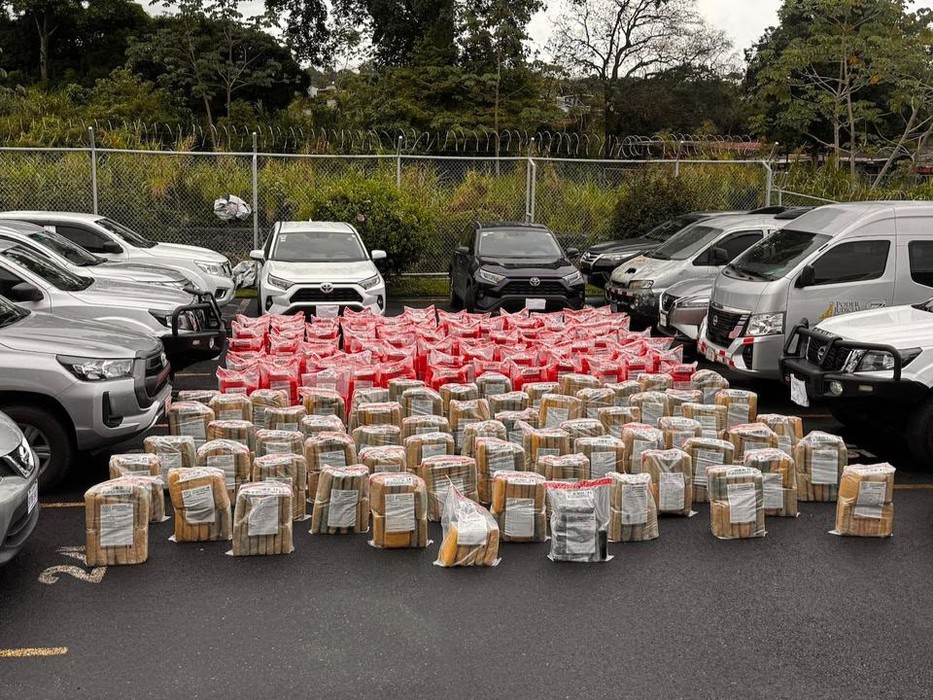
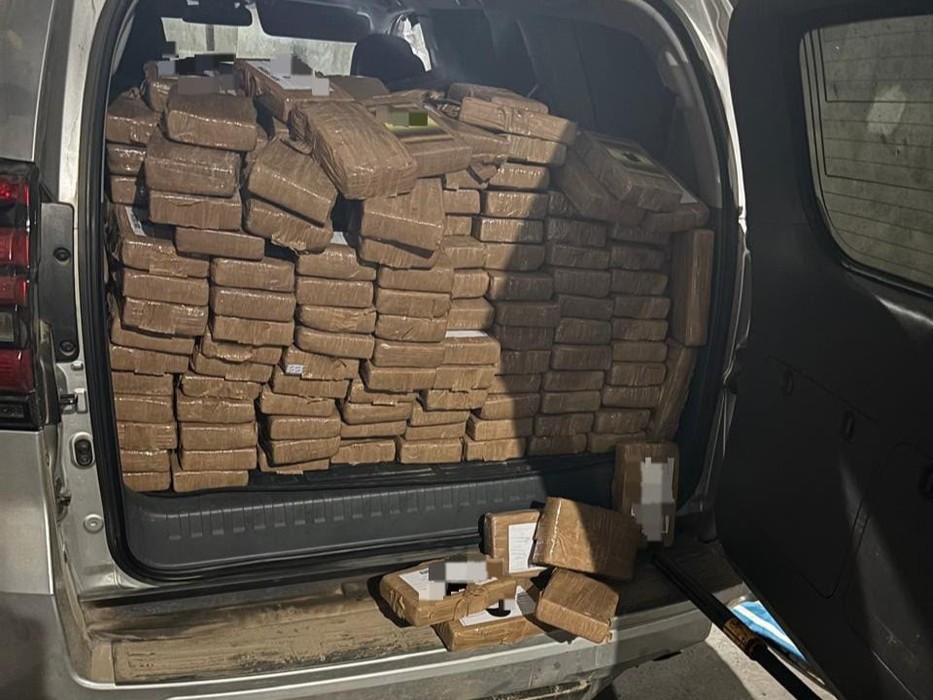
more than 156.9 tonnes of drugs seized, including 37.6 tonnes of cocaine
and 118.6 tonnes of cannabis
-
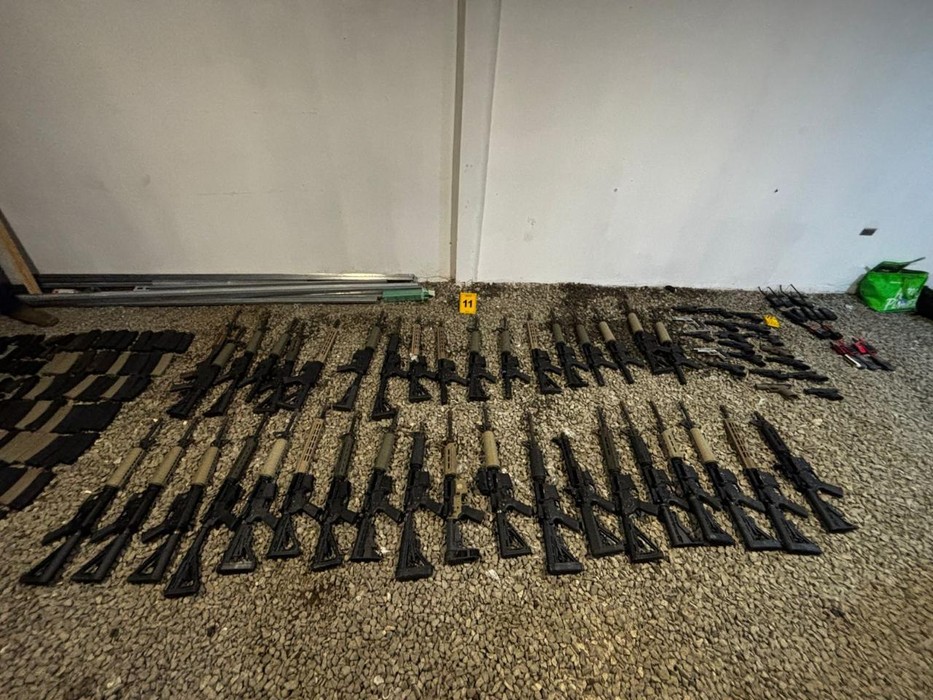
201 firearms and 3 131 units of ammunition and explosives
-
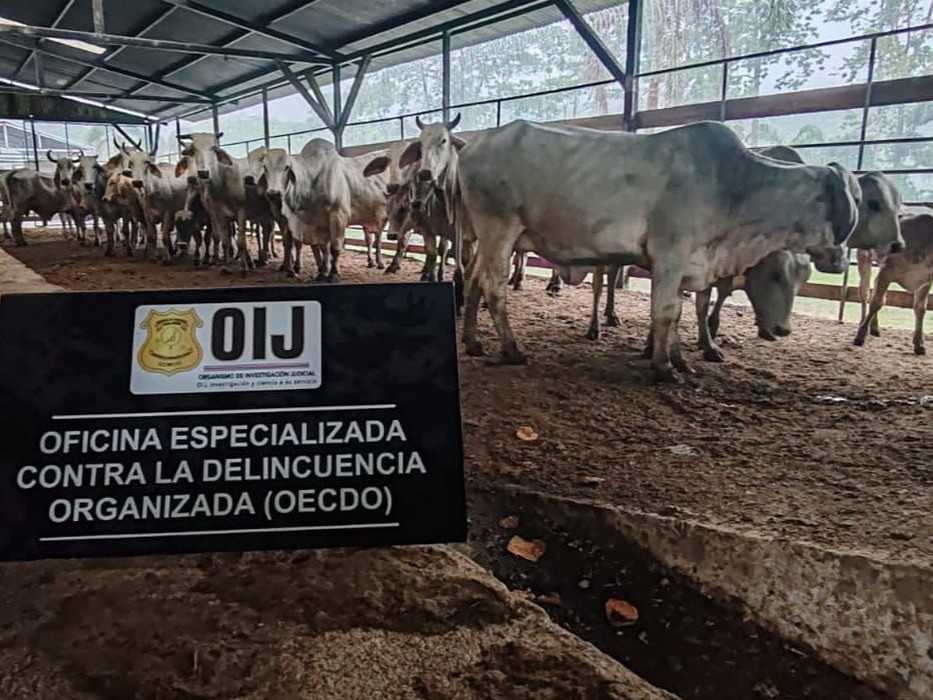
803 wild animals and livestock recovered
-
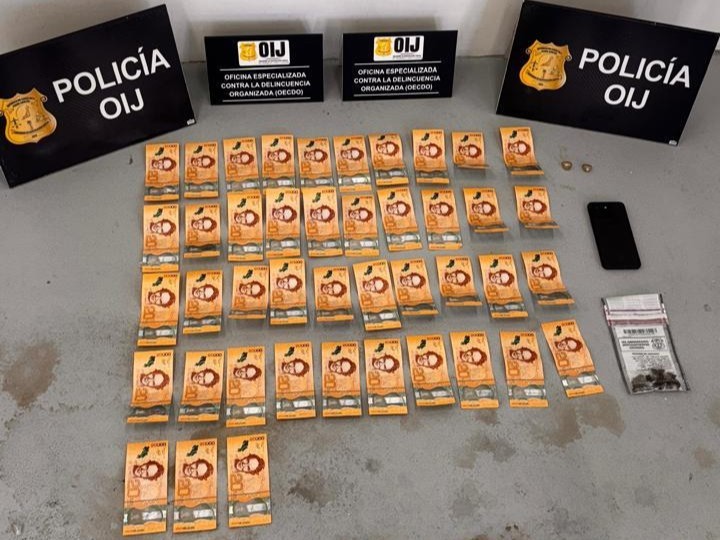
approximately USD 135 000 in cash and cryptocurrencies
-
0.83 kg of gold
-
169 properties and 464 pieces of jewellery
-
468 fraudulent documents and one vehicle
-
18 victims rescued and assisted
-
595 search warrants executed
-
110 aircraft, 28 vessels, 415 vehicles and 271 containers checked at 28
designated checkpoints
-
37 INTERPOL notices issued, including 17 Red Notices
Frontex co-led the
operation as co-leader of EMPACT Operational Action 6.1 and participated in the
coordination from the preparatory phase through to the end. During the operation,
Frontex activated its officers deployed in joint operations at air, land and
sea borders, provided coordination on the ground and deployed vessel tracking
support to the coordination centre. Frontex Copernicus services supported the
surveillance of suspect vessels. The Agency also reported results to the
operation, including fraudulent documents detected and facilitators identified
behind the networks.
National authorities
in Portugal seized more than 3 tonnes of cocaine on the coast after a speedboat
transferred bales to smaller boats. A further 2 tonnes were recovered from
bales found adrift at sea. In Malta, 40 kg of cocaine were found hidden in the
motor compartment of a container declared to carry bananas.
At Larnaca airport in
Cyprus, a Frontex officer participated in the check that led a passenger to
admit carrying about 1 kg of cocaine. In Italy, a Frontex officer helped
uncover forged vehicle number plates linked to smuggling.
Officers identified
and dismantled the first cocaine-processing laboratory ever detected in
Ireland. They also identified two illegal gold-mining sites in French Guiana.
Australia played a key role in the seizure of more than 5.6 tonnes of cocaine.
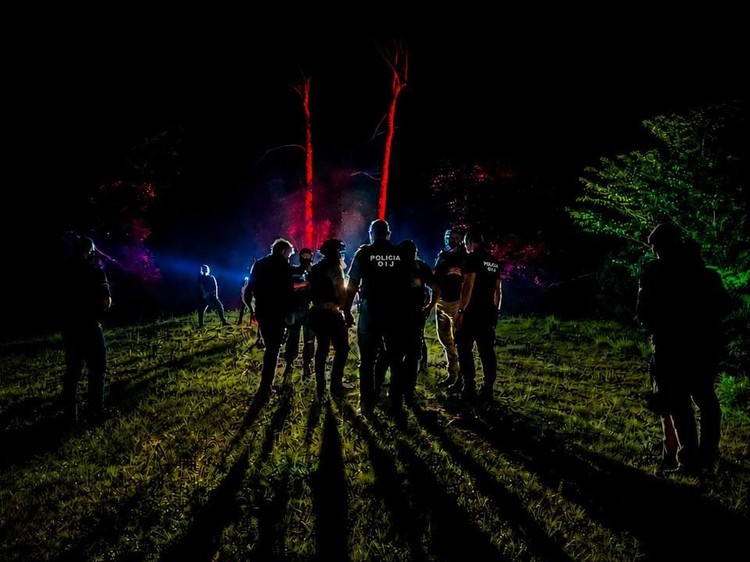
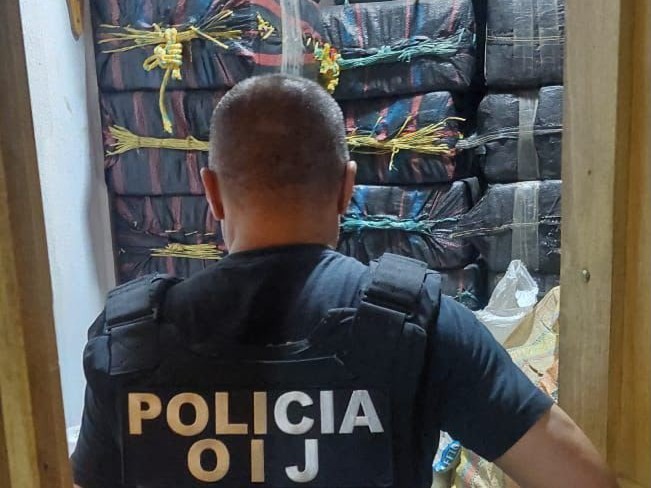
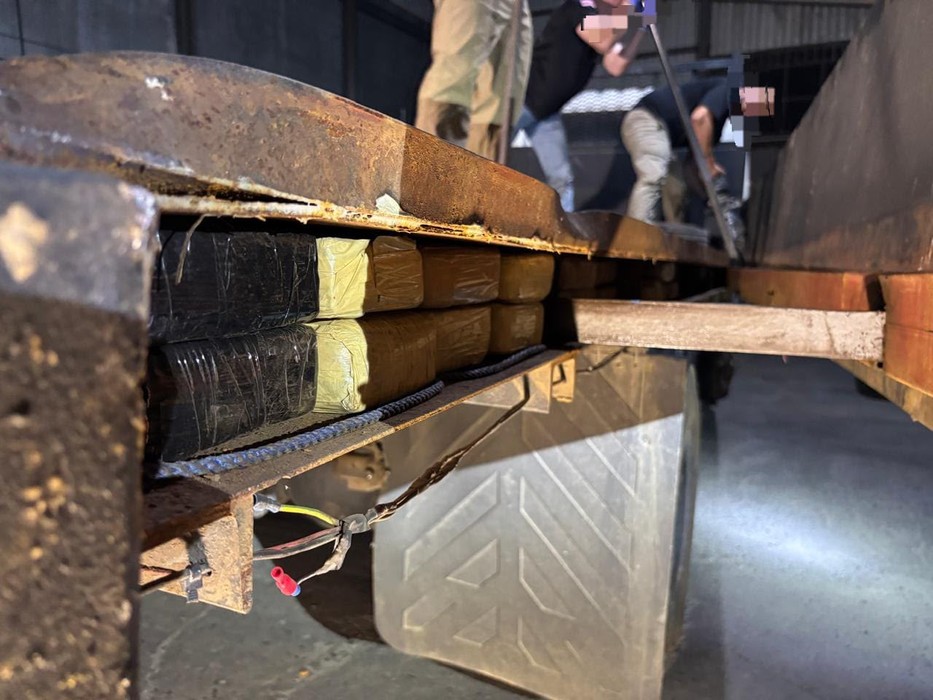
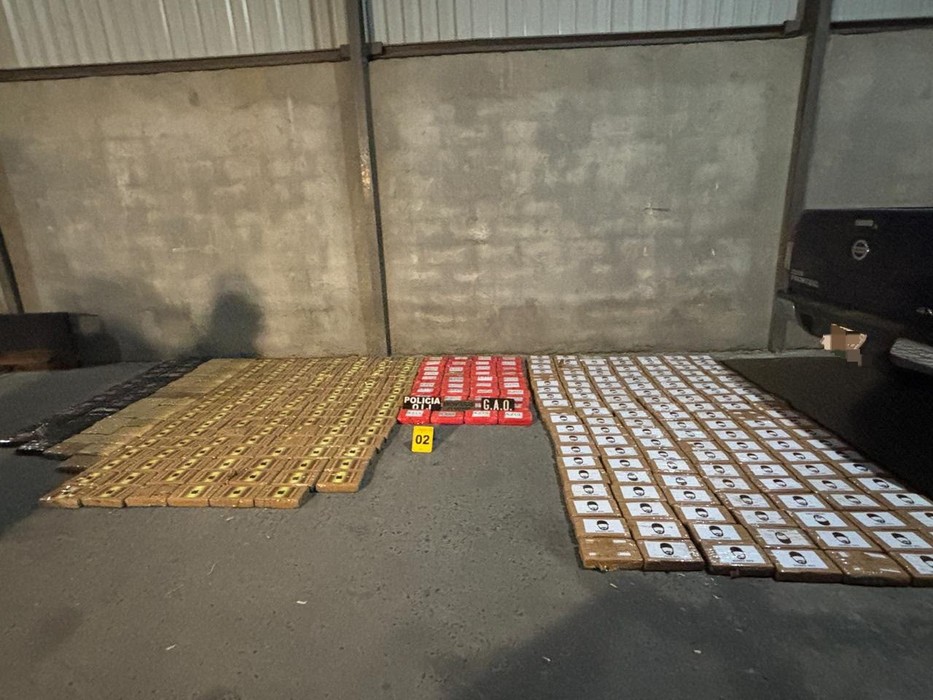
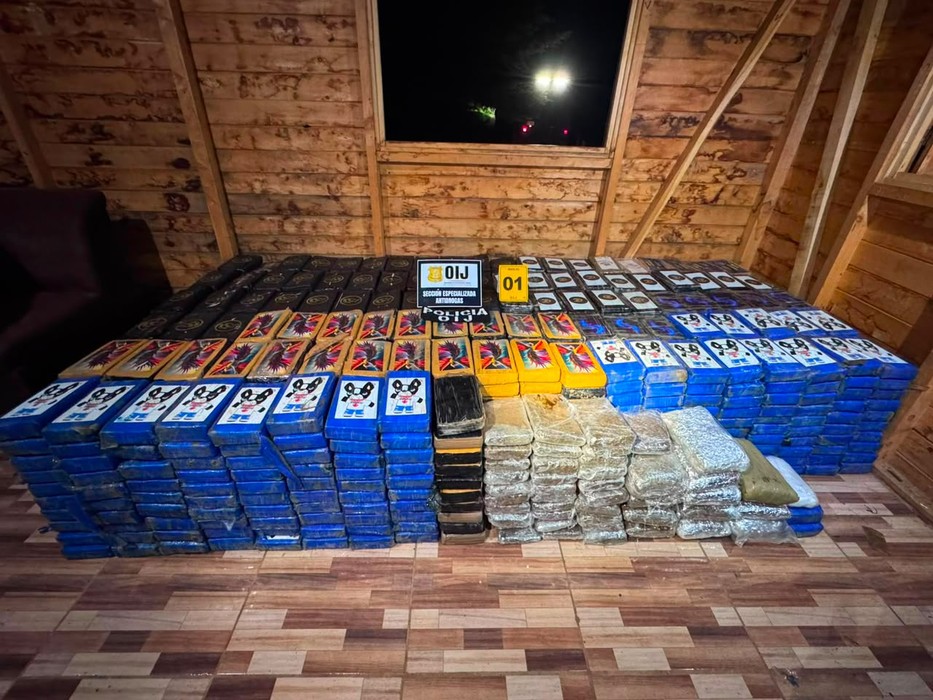
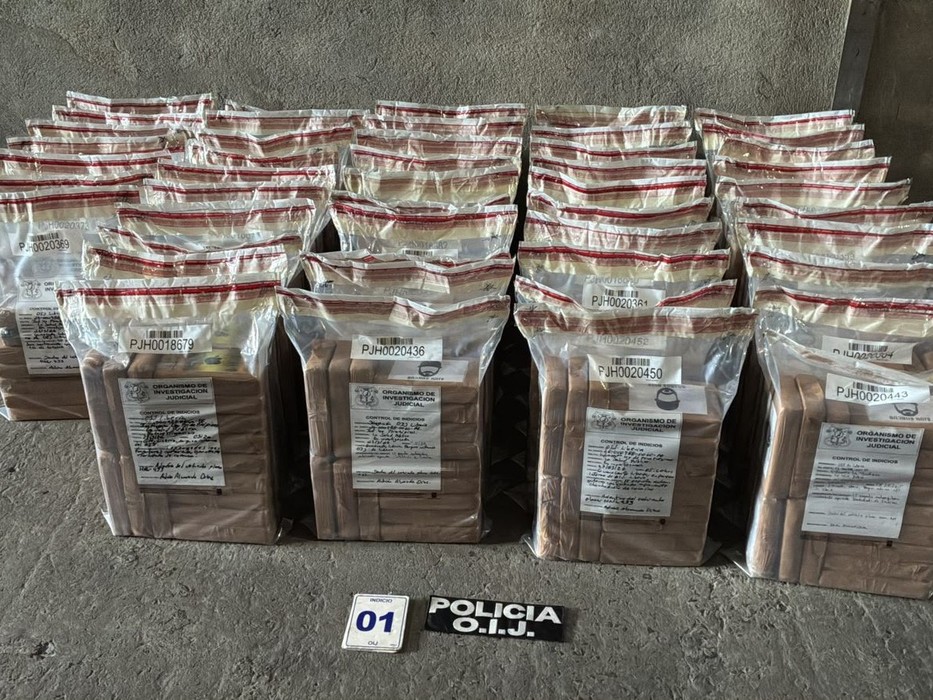
In Costa Rica, authorities seized more than 27 tonnes of drugs and arrested 375
people. In Paraguay, authorities seized a record 104.96 tonnes of cannabis.
The operation
followed the money as well as the goods. Property, jewellery and other proceeds
of crime were seized from the networks. The results show that work at the
external borders can help disrupt criminal networks that operate far beyond the
border. They also illustrate the value of moving from single seizures towards
the dismantling of the networks and assets behind organised crime. Frontex participates
in line with its mandate and the EU Strategy and Action Plan on Drugs.
Participating
countries: Belgium, Germany, Greece, Hungary, Ireland, Luxembourg, Malta,
Portugal, Romania and Slovenia, together with Argentina, Australia, Barbados,
Bosnia and Herzegovina, Brazil, Chile, Costa Rica, Dominica, Dominican
Republic, Ecuador, Grenada, Guyana, Jamaica, Montenegro, Norway, Panama,
Paraguay, Peru, Saint Lucia, Suriname, Switzerland, Trinidad and Tobago, the
United Kingdom and the United States.
Partners: AMERIPOL, CARICOM
IMPACS, Europol, Frontex, INTERPOL, MAOC-N and the Regional Security System
(RSS).
Supporting programmes:
CRIMARIO II, SEACOP VI and INTERPOL I-CAN.
The operation was led
by the Belgian Federal Police. It was co-coordinated by Operational Action 6.1
of the European Multidisciplinary Platform Against Criminal Threats (EMPACT),
focused on the Most Threatening Criminal Networks and Individuals (MTCNI), together
with Frontex and the Caribbean Community Implementation Agency for Crime and
Security (CARICOM IMPACS). It was facilitated by EL PACCTO 2.0, the European
Union's cooperation programme with Latin America and the Caribbean on security
and justice.