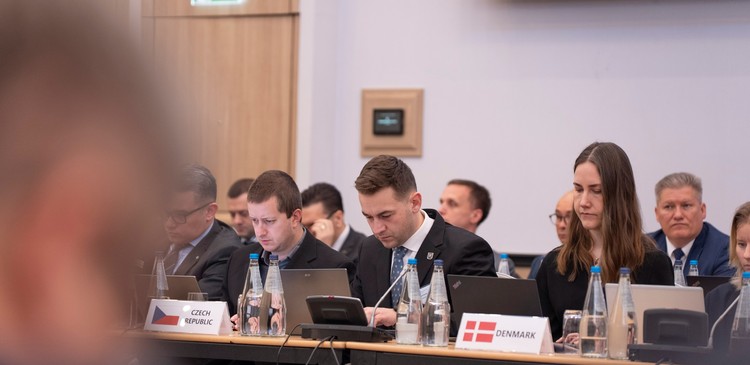
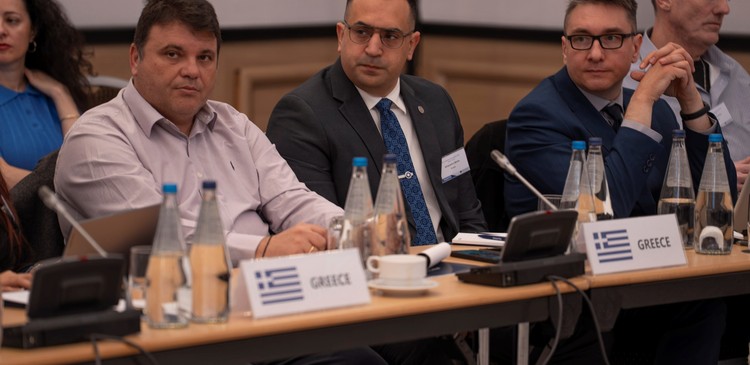
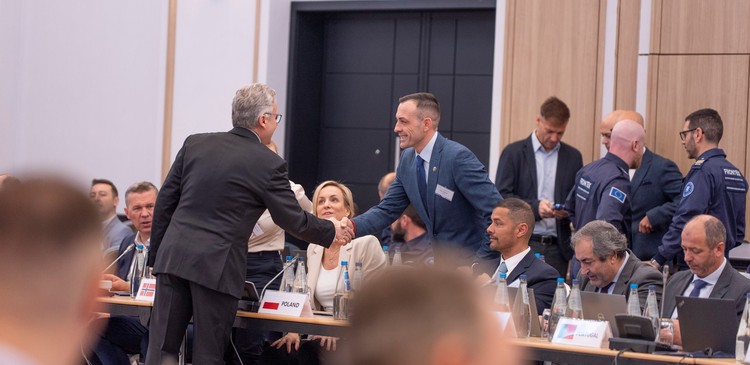
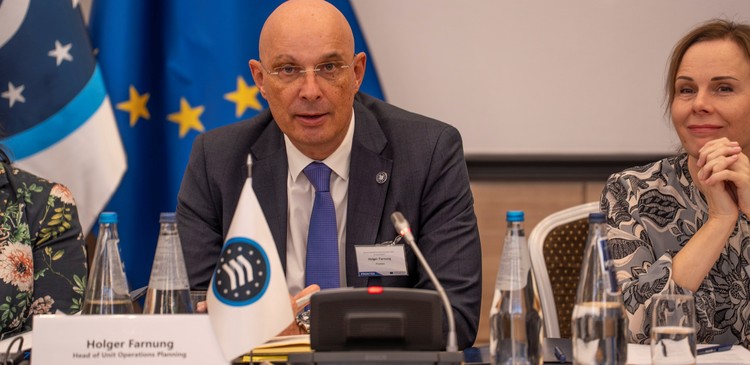
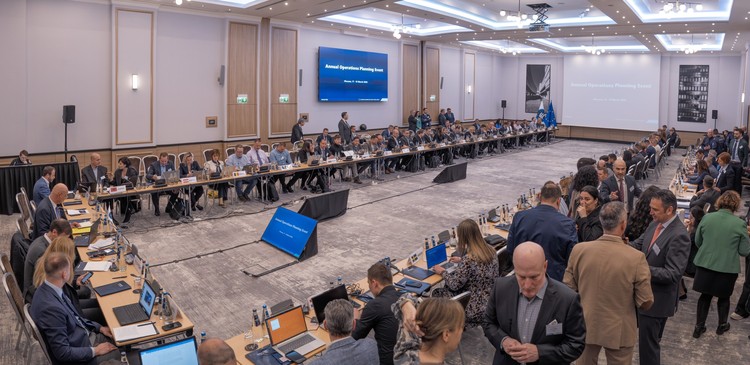
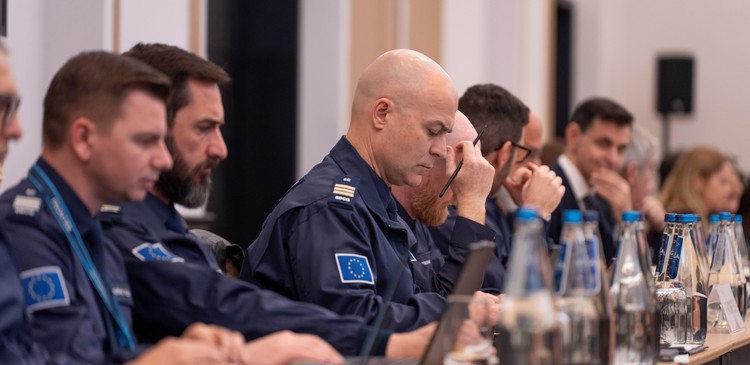
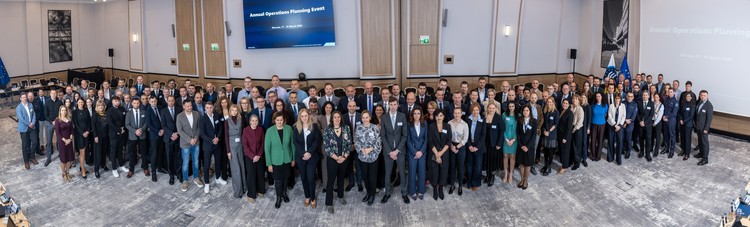
More than 100 operational planners from EU Member States, non-EU partner countries, and EU agencies met in Warsaw from 17 to 19 March for the 2026 Annual Operations Planning Event (AOPE), hosted by Frontex, the European Border and Coast Guard Agency. The three-day event focused on reviewing joint operations in 2025, coordinating ongoing activities in 2026, and setting operational plans for 2027, with the approaching application date of the EU Pact on Migration and Asylum a central topic throughout.
The event opened with an overview of Frontex operations and Member State contributions, followed by sessions on new operational activities planned for 2027. Discussions focused on practical coordination: how resources, including Standing Corps officers and equipment, are allocated, how quickly they can be redeployed when priorities shift, and how training supports both new and existing operations.
Joint operations were a central theme of the event. Frontex aims to carry out at least one joint operation with every EU Member State each year; in 2026 this will amount to more than 30 operations across the EU’s external borders, from the central Mediterranean to the Baltic and the Western Balkans. Operations in 2025 included activities in Albania, Bosnia and Herzegovina, North Macedonia, and Serbia, as well as joint action days that resulted in hundreds of arrests across multiple areas.
A recurring theme was the value of more integrated collaboration between Frontex and national authorities, moving beyond the provision of additional resources towards genuine operational partnership.
Another key idea discussed by the conference participants was the notion of added value: the idea that Frontex adds value to border operations, as do partner countries. When Frontex combines its resources with those of its partners, this leads to enhanced capabilities and better results.
Key strategic goals also included strengthening the Standing Corps and creating a Quick Reaction Force that would provide both Frontex and EU Member States with the operational flexibility needed to face border challenges wherever and whenever they arise.
One of the most significant topics discussed was the European Travel Information and Authorisation System (ETIAS), which Frontex has developed in close cooperation with EU partners and is due to launch in late 2026. When operational, the ETIAS will affect an estimated 1.4 billion visa-free travellers, a significant change to how people from non-EU countries enter the Schengen Area.
The EU Pact on Migration and Asylum applies from 12 June 2026 and will bring significant changes to how screening and other border procedures are carried out. Preparations for Pact implementation were discussed at multiple sessions throughout the event, including how screening will be embedded into joint operations and what support Frontex can provide to national authorities ahead of the deadline.
Screening is a short, structured set of checks carried out by Member States for certain people who do not meet the conditions for entry under EU law. It is an information-gathering step, not an asylum or return procedure, designed to help national authorities quickly establish identity, identify health or vulnerability needs, and check for security concerns before referring the person to the appropriate procedure. Frontex also closely cooperates with other EU agencies in supporting the implementation of the Pact.
Participants agreed that a higher level of preparedness, supported by new technologies and improved ways of working, is the key priority for the months ahead. Bilateral meetings held throughout the three days gave individual countries the opportunity to align their operational response plans for 2027 directly with Frontex planners, with follow-up discussions scheduled at future events.