On 22 January 2026, Frontex, the European Border and Coast Guard Agency, and the European Union Agency for Asylum (EUAA) agreed to strengthen cooperation to support EU Member States in managing migration- and asylum-related procedures at the EU’s external borders.
In practical terms, the cooperation will help national authorities with key steps, including screening and registration; asylum and reception support; and, where a return decision has been taken, return-related support.
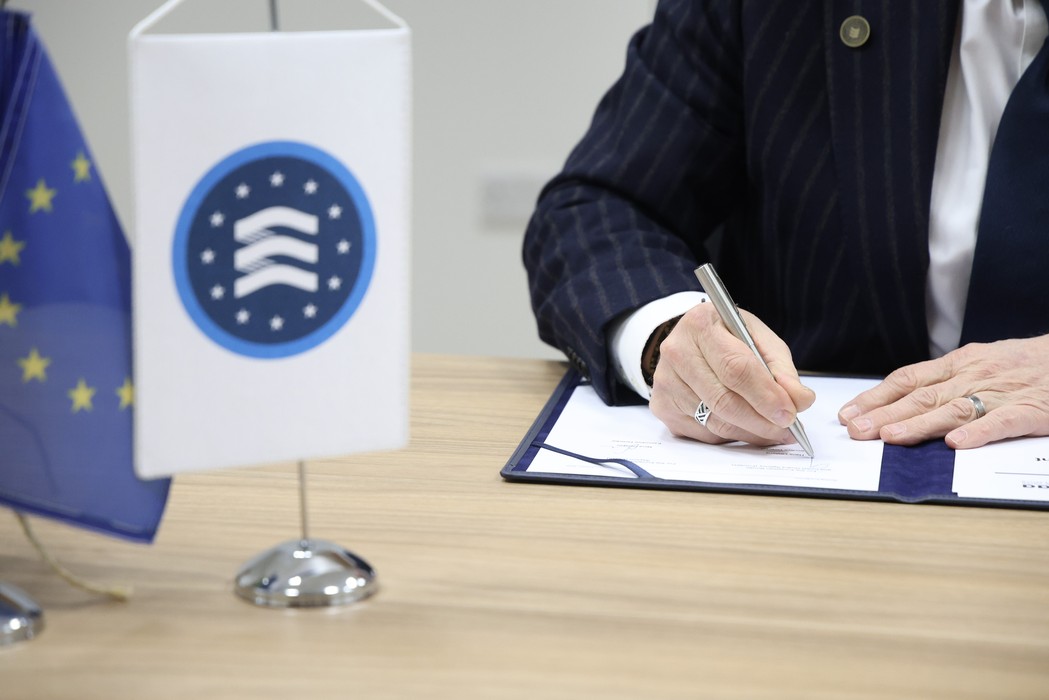
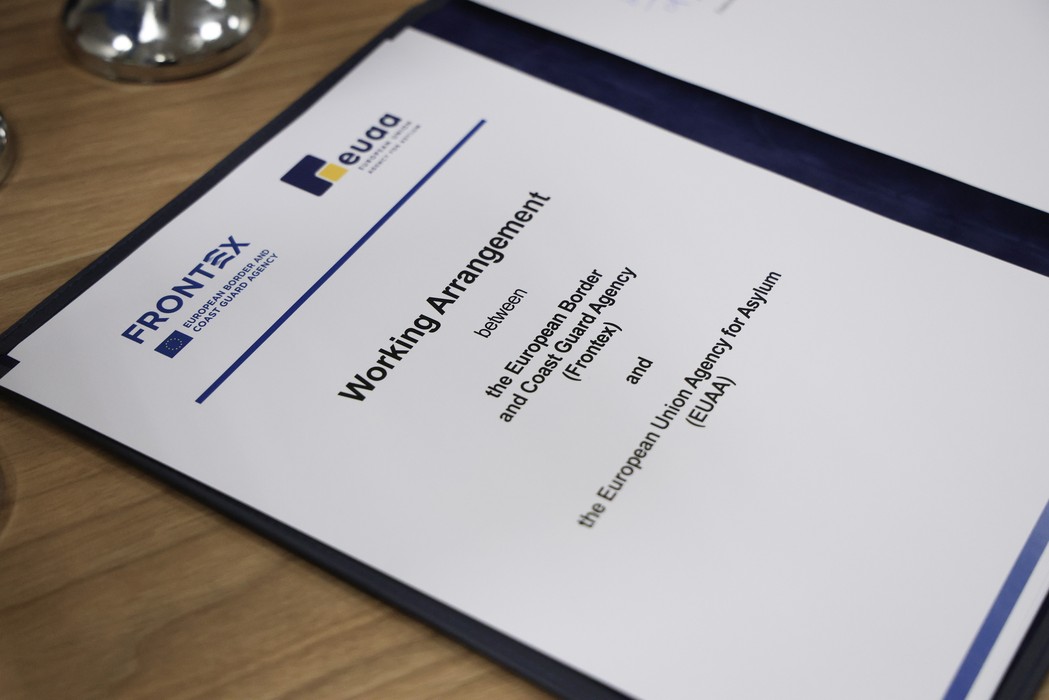
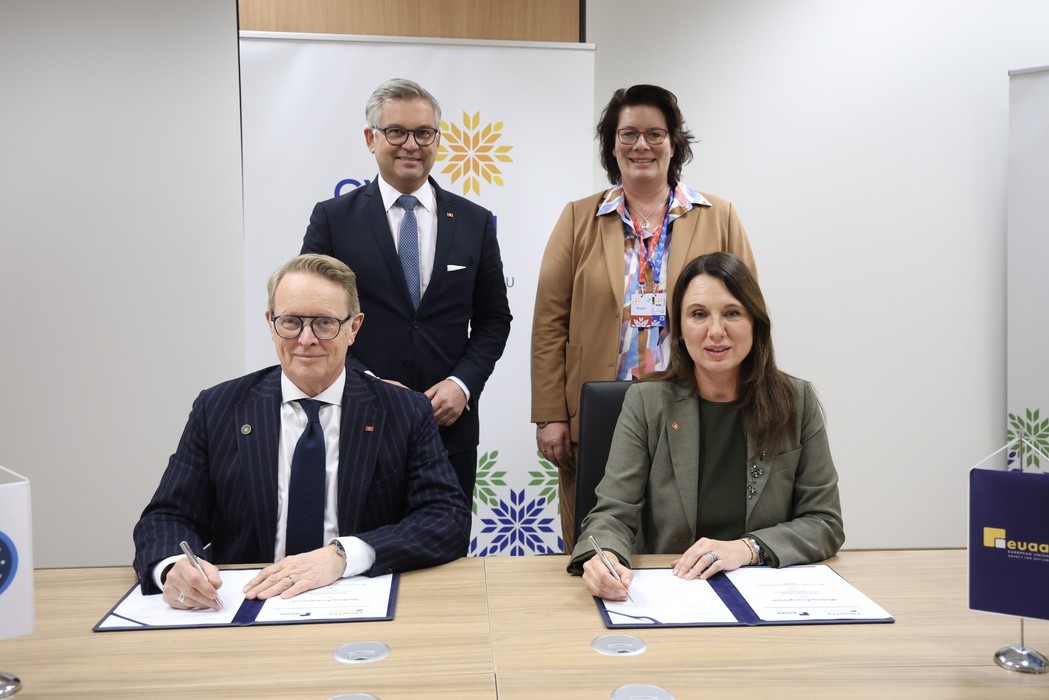
The strengthened cooperation is set out in a working arrangement, signed by Frontex Executive Director Hans Leijtens and EUAA Executive Director Nina Gregori, entering into force immediately. It replaces the agencies’ previous arrangement concluded in 2012 with the former European Asylum Support Office (EASO) and reflects both agencies’ updated mandates and the way operational cooperation has evolved.
The agreement also comes ahead of the EU Pact on Migration and Asylum applying from 12 June 2026. Frontex and the EUAA will work closely with national authorities on Pact-related implementation, including the Screening Regulation, to support consistent rollout of the new screening rules at the external borders.
The signing ceremony took place in Nicosia, Cyprus, during the country's Presidency of the Council of the European Union. It was attended by EU Commissioner for Internal Affairs and Migration, Magnus Brunner, as well as Director General at DG Migration and Home Affairs, Beate Gminder. The agreement can be accessed in full on the Frontex website.
Under the working arrangement, Frontex and the EUAA will strengthen cooperation in four main ways:
1) More joined-up support on the ground
When Member States ask for support, the two agencies will plan and coordinate deployments more closely so that screening and registration, asylum procedures, reception support and return-related steps are better connected. For example, Frontex teams may support border checks and registration while EUAA teams help organise asylum processing and reception support, working to the same plan, alongside national authorities. This includes working through Migration Management Support Teams and other EU-coordinated support structures.
2) A shared picture of what is happening at the borders
The agencies will share information more systematically to help national authorities respond faster and more consistently. This includes cooperation through EUROSUR, which helps national authorities and EU bodies share border-related information and build a shared picture of developments at the external borders.
3) Common analysis and practical tools
Frontex and the EUAA will develop and use shared products, such as country and nationality profiles, guides, workflows and risk analyses, to support more consistent approaches across Member States.
4) Better preparation when systems are under pressure
The agencies will exchange assessments of where border, asylum or reception systems are under strain; strengthen training, staff exchanges and liaison work; and support Member States in using key EU systems such as Eurodac, which supports registration and helps determine responsibility for asylum applications.
By planning together and strengthening contingency planning, the agencies aim to make EU support more coherent, avoid duplication and make best use of resources.
All activities carried out under the working arrangement will be conducted in full compliance with fundamental rights, including access to international protection; the rule that no one should be sent back to a place where they would face persecution, torture or other serious harm; and applicable data protection requirements. The arrangement does not change the legal responsibilities of national authorities for decisions taken under EU and national law.
Frontex supports EU Member States and Schengen Associated Countries in managing the EU’s external borders and organising returns. At a Member State’s request, Frontex can coordinate joint operations, deploy officers and equipment, and provide information and risk analysis to support decision-making. All Frontex activities are carried out in full respect of fundamental rights. Learn more about Frontex at frontex.europa.eu.
The EUAA supports Member States in applying European laws on asylum, international protection and reception, and works to harmonise national asylum practices so applicants can expect consistent rights, obligations and reception conditions across the EU. It delivers support through three pillars: training and professional development; operational and technical assistance; and asylum knowledge products such as country of origin information, country guidance, tools and analysis. Learn more about EUAA at euaa.europa.eu.
Note: This working arrangement is an administrative framework for cooperation. It does not create new legal rights or obligations under EU, national or international law.