EU and Western Balkan partners
have endorsed new priorities for strengthening migration and asylum systems
across the region, including joint work on returns, international protection,
and crisis preparedness for the period 2027–2030. The commitments were agreed
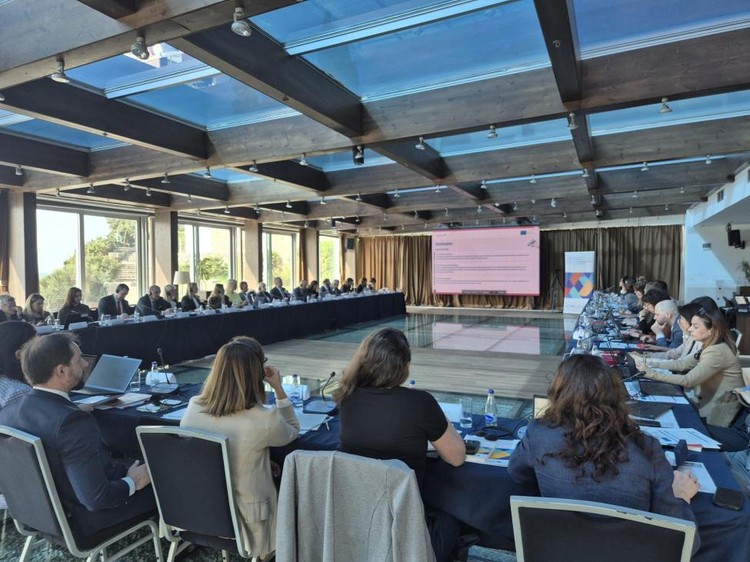
at a Regional Steering Committee meeting in Budva, Montenegro, bringing
together the European Commission, all six Western Balkan partners, and
programme implementing agencies Frontex, EUAA, IOM, and UNHCR.
Over two days, delegates
reviewed progress under the current programme and endorsed workplan priorities
across four areas: mixed migration, international protection, returns and
alternatives to detention, and contingency planning. They also began consultations
on priorities, expected impact, and activities for the next phase of the
programme, covering 2027 to 2030.
The meeting took place against
a backdrop of ongoing geopolitical challenges that have reinforced the
relevance of regional cooperation on migration. Although the programme was
first established over a decade ago, its focus on building resilient border management
and asylum systems in the Western Balkans remains as pertinent as ever.
The meeting was held under the
EU-funded regional programme “EU Regional Support to Protection-Sensitive
Migration Management Systems in the Western Balkans, Phase III,” funded
through the Instrument for Pre-accession Assistance (IPA). The programme
supports Western Balkan partners in strengthening migration and asylum systems
in line with EU and international standards as part of the EU accession
process.
Over the past decade, the
programme has contributed to more effective and rights-based border and
migration management across the region, supporting capacities in border
identification, registration and referral, asylum procedures, reception,
returns, and contingency planning.
The Budva meeting brought
together participants from across the Western Balkans alongside representatives
of the European Commission (DG ENEST and DG HOME), the European External Action
Service, and EU Delegations from the six Western Balkan partners. The
programme’s implementing partners, the European Border and Coast Guard Agency
(Frontex), the European Union Agency for Asylum (EUAA), the International
Organisation for Migration (IOM), and the United Nations High Commissioner for
Refugees (UNHCR), also participated.
By fostering regional cooperation and joint ownership, the programme
continues to support safe, orderly, and rights-based migration management
systems that benefit people on the move, persons in need of international
protection, host communities, and institutions across the Western Balkans.