Frontex supports EU Member States and Schengen Associated Countries in managing the EU’s external borders and organising returns.

At a Member State’s request, Frontex can coordinate joint operations, deploy officers and equipment, and provide information and risk analysis to support decision-making. All Frontex activities are carried out in full respect of fundamental rights.

“In 2025, Frontex worked side by side with Member States to strengthen border management where it matters most — on the ground.”

Frontex

2025 in numbers

http://operations
0
operations
http://borderguard
0
EU officers working
at the borders
every day
http://lifebuoy
0
people rescued at sea
with Frontex support
http://smugglers
0
actual and potential
victims of trafficking in
human beings identified
http://victims
0
kg of illegal drugs seized
http://stolencars
0
stolen cars detected
http://document
0
cases of document fraud

Highlights

Frontex

Situation at the EU’s borders

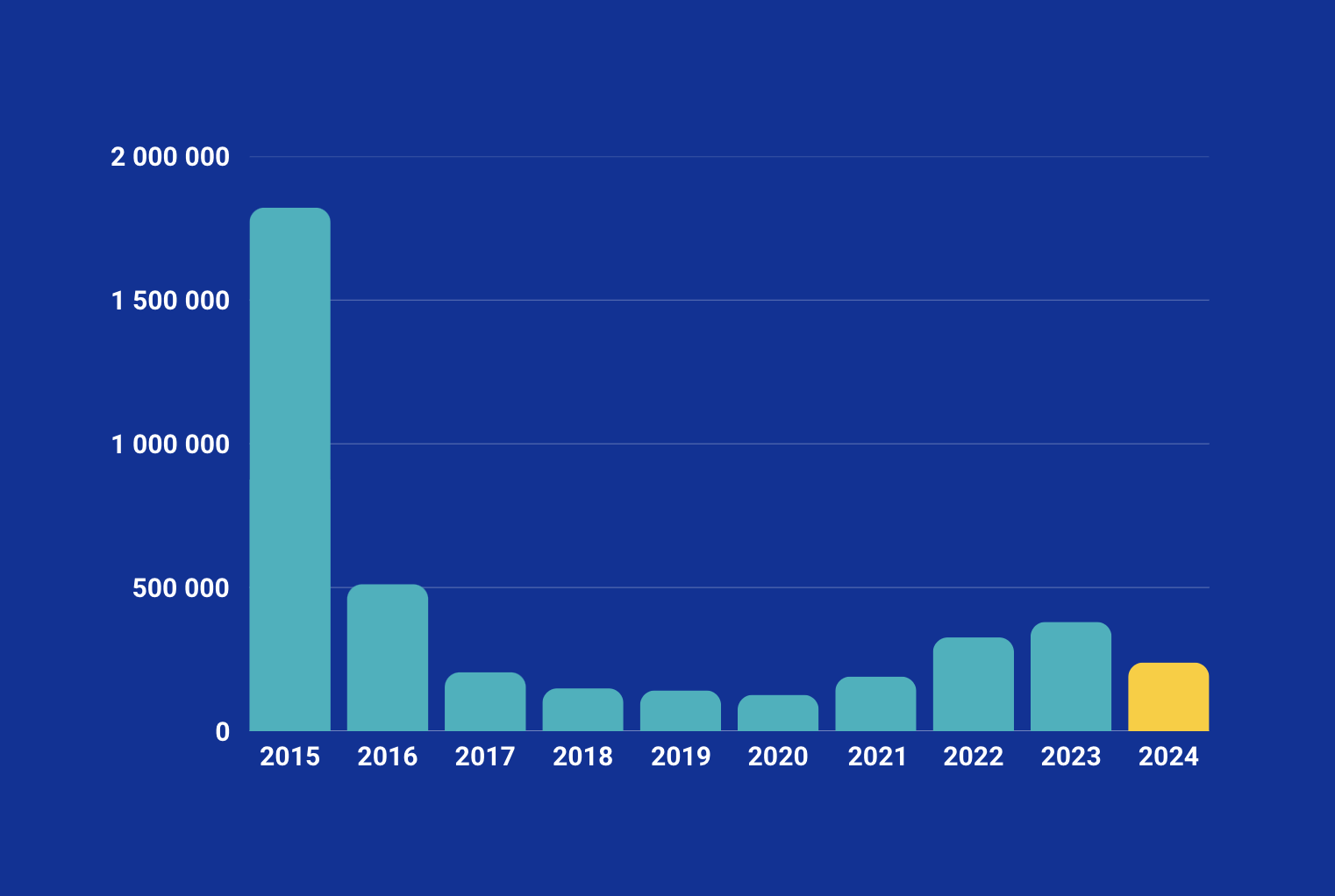
Ιn 2025, detections of irregular border crossings at the EU’s external borders fell by over one-quarter (26%) to almost 178 000. This is less than half the total recorded in 2023 and the lowest level since 2021.

Read more about how migration routes evolved over the past year, including shifts in pressure between regions and corridors, as well as the continued influence of criminal smuggling networks.

Read more
2024
2025
Effective returns

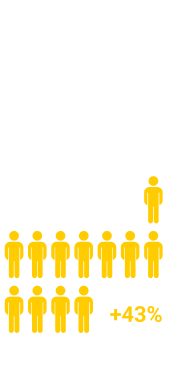
Effective return operations are key to managing migration. In 2024, Frontex assisted Member States in returning 56 262 individuals, marking a 43% increase from the previous year. Voluntary returns continued to rise, making up 64% of returns in 2024, compared to 54% in 2023.

Toolboxes for vulnerable groups

Effective returns are a cornerstone of credible migration management. Together with Member States, Frontex supports return work across three phases, pre-return activities (PRE), return operations and voluntary returns support (ROP, RVR), and post-return reintegration (POST). This includes providing return counselling to help people understand their options and available assistance, and reintegration support to help people rebuild their lives after arrival.

More about Frontex supports Member States

Enhancing cooperation

Effective border management relies on strong cooperation across the migration and asylum ecosystem. Ahead of the Pact on Migration and Asylum applying in June 2026, Frontex intensified coordination with key partners, including the EU Agency for Asylum (EUAA), and supports EMPACT joint actions with Europol, INTERPOL and national authorities targeting cross-border crime. The Agency also maintains structured dialogue with humanitarian partners such as UNHCR and the Red Cross.
Frontex has also strengthened cooperation with non-EU partners to improve situational awareness, bolster operational responses and tackle cross-border crime. In late 2025, the Agency hosted eight EU pre-accession states in Warsaw to deepen cooperation on evolving border challenges. Frontex also launched its first fully-fledged operation in Bosnia and Herzegovina in October and partnered with Cabo Verde on Atlantic aerial surveillance flights to help save lives at sea.

Frontex continued to drive innovation in border surveillance by helping research, test and prove new tools that can support Member States in protecting the EU’s external borders. In May and July, Frontex and the Bulgarian Border Police tested a multi layered drone set up through the Tactical Unmanned Aircraft System (UAS) Pilot Project, combining long endurance drones for wide area coverage with smaller drones for closer checks. The pilot covered more than 8,000 km² and generated 343 flight hours. Frontex also ran a counter drone prize contest in Portugal to strengthen defences against hostile drones, where a test team launched 136 drone flights to challenge four competing systems, and 64 drones were
stopped using a mix of electronic measures, such as jamming and spoofing, and physical interception, supported by more than 50 sensors and software tools.

Fundamental rights

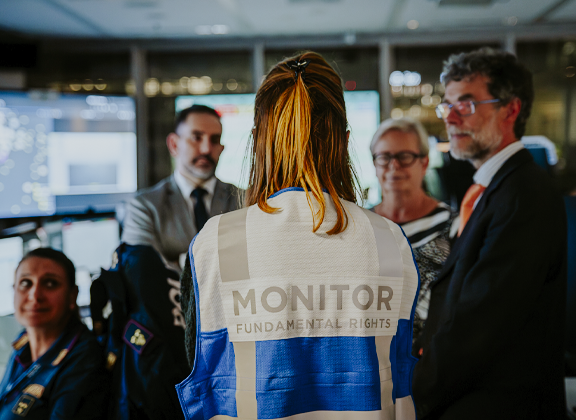
Frontex embeds fundamental rights safeguards across all operational activities, with oversight and support from the Agency’s independent Fundamental Rights Office (FRO).

In 2025, the FRO continued to promote and monitor compliance with fundamental rights across Frontex activities, while providing advice to the Agency. Fifty-four monitors (out of 70 FRO staff) operated in 26 countries, with the largest share of field days in Greece, Italy, Spain and Bulgaria. Drawing on first-hand observations, the FRO also supported Frontex preparations for implementing the Migration and Asylum Pact, with a particular focus on the Screening Regulation.

Training remained a key priority, with 235 days dedicated to building fundamental rights capacity across the EU border and coast guard community. Over the year, the Office registered 114 complaints on alleged rights violations and initiated 47 serious incident reports.

More about fundamental rights at Frontex

We’re building a stronger future for border management. We are investing in better training, smarter planning and new technologies. Our focus is on intelligence-led operations to provide even more effective support to Member States. We ensure everybody is treated with respect and that fundamental rights are upheld in all we do.

Hans Leijtens, Frontex Executive Director